← All essays·July 24, 2026·15 min read
The wine toll: who actually wins on a $100 bottle
A $100 bottle leaves the winery at $19 and nets the people who grew and made it about $1.30. The reliable money in wine sits where you cannot see it: a distribution tier the government mandates, and a room that marks the bottle up in plain sight.
Listen to this page
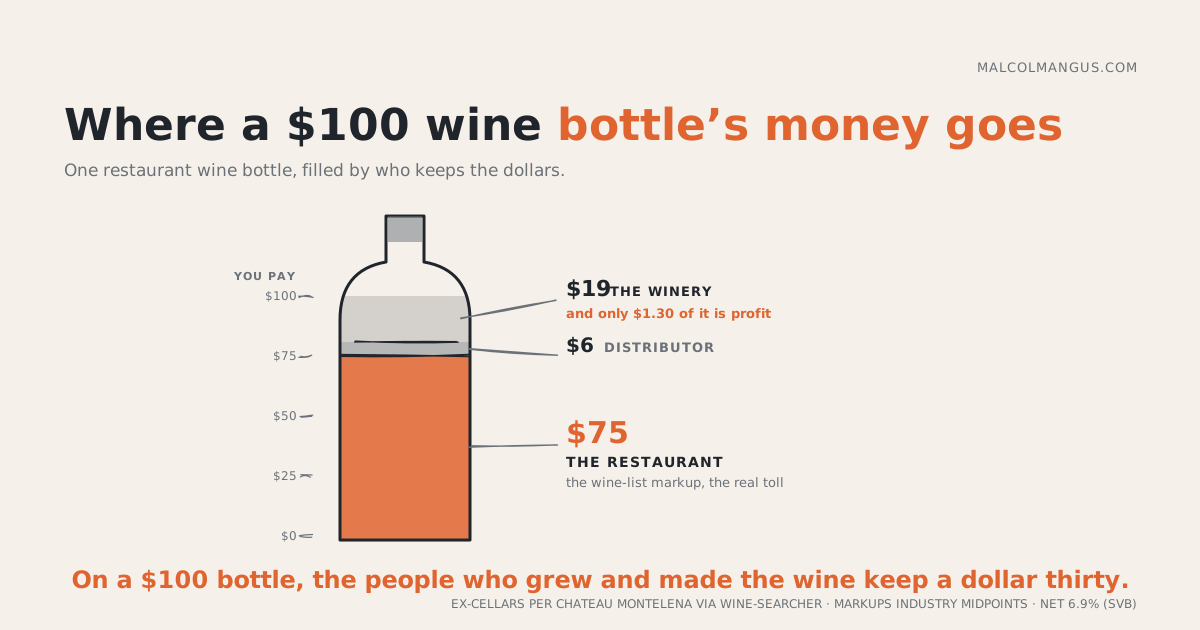
Order a $100 bottle off a restaurant list and you are paying for a specific piece of theater: the reach for the glass, the twist of the key, the pour. What you are not paying for, mostly, is the wine. Bo Barrett, whose family owns Chateau Montelena in Napa, is one of the few winemakers who will say the numbers out loud. His Cabernet is built to land at $100 on a list. The winery sells that bottle to a distributor for about $19.
That $19 is not profit. It is the whole winery: the vineyard, the cellar, the barrels, the marketing, the loans, the real estate, the people. Rob McMillan, who runs the wine division at Silicon Valley Bank and writes the industry's annual autopsy, put the average winery's pre-tax margin at about 6.9 percent. Do the arithmetic on the bottle you just ordered and the winery that grew the grapes and aged the wine keeps roughly a dollar thirty. Barrett says it more plainly: the server who brings the bottle to your table and pulls the cork "can make more in tips than we do at the winery." An 18 percent tip on $100 is about $18. The pour earns the room fourteen times what the wine earned the people who made it.
Where the other $99 goes
Two hands touch the bottle between Barrett and you, and both are structural, not optional.
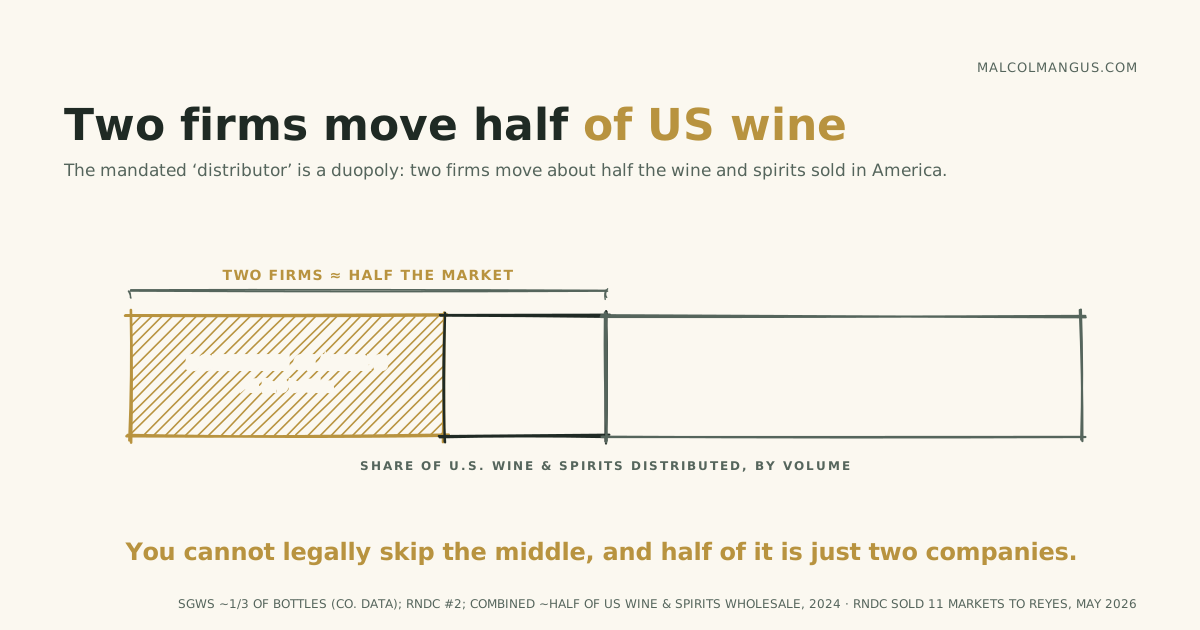
The first is the distributor, and this is the part most people never see. Since the repeal of Prohibition, American alcohol has run through a three-tier system: a producer must sell to a distributor, who must sell to a retailer or restaurant, who sells to you. It was built to stop the "tied houses" of the pre-Prohibition era, where a producer owned the bar and pushed its own liquor. The cure was a mandatory middleman. Ninety years later the middleman is a duopoly. Southern Glazer's moves more than $26 billion a year across 47 markets, roughly a third of all the wine and spirits sold in America; Republic National is the clear number two at about half its size. They mark up 30 percent or so on every bottle they are legally required to handle, and state franchise laws make it nearly impossible for a small producer to fire a distributor once it signs one. This is a cartel with the actual force of law, and it is the single most reliable seat in wine. It takes no aging risk, grows no grapes, and cannot be cut out.
The second hand is the restaurant, and here is the honest surprise: the restaurant is not the villain the markup makes it look like. A bottle a restaurant buys wholesale for $25 goes on the list for about $75 to $100, roughly three times its cost. That sounds like gouging until you remember what restaurant math actually looks like. Food runs about 30 percent cost, labor another 30, overhead another 30, leaving a dime on the dollar. Wine, with a far lower cost-to-sale ratio, is one of the only places left to make real margin. The markup you resent funds the cellar, the glassware, the somm, and the ten percent the restaurant lives on. The restaurant earns its cut in plain sight. It is, unlike the breakeven cheese counter down the street, a genuine winner.
Put simply: The reliable seat in a regulated chain is the one nobody can route around, not the one with the fattest markup. Before you resent a middleman's cut, check whether the law is what put him there.
The middle is two companies
Say "distributor" and you picture a warehouse. Look closer and the mandated middle is the most concentrated tier in the chain. Two firms, Southern Glazer's and Republic National, move about half the wine and spirits sold in the country between them; the other half is split among thousands of regional houses.
And "distributor" undersells what the tier does. A foreign wine reaches it only after an importer, a separate hand that clears customs and takes the first markup. Small labels that cannot afford a national sales force lean on brokers, an unofficial fourth tier that pitches Costco and Kroger on their behalf. Seventeen "control" states run part of the wholesale themselves. And the distributor's real value is not the trucking; it is the things that are genuinely hard to replace: a sales force working every account, compliance across fifty separate state regimes, and the depletion data a supplier cannot see without it. That is why the seat is so defensible. Its thirty-percent markup is thinner than it looks: after the trucks, the sales force, and the compliance, the distributor nets only a few points, which is why it shows up as a sliver of operating margin later on. The job is a legal, fifty-state, relationship-and-data business, and it is consolidating fast: Republic National is selling eleven of its markets to Reyes Beverage Group, a deal that closed in May 2026. The mandated middle is not sleepy. It is also not going anywhere.
There is one more set of hands around the chain that never holds the bottle. Compliance firms like ShipCompliant and Avalara do not buy or sell wine; they sell the paperwork that keeps everyone legal, charging fees for label approvals, per-state registrations, and the excise filings a fifty-state patchwork demands. They are a cost, not a cut. A Cal Poly study of a small Napa winery put regulatory compliance near two dollars a bottle, roughly a sixth of its production cost, a bill the winery eats out of its own thin margin rather than adding on top. The only party that takes money from the bottle without selling anything is the government, and even it is gentle here: on a $15 to $20 retail bottle, wine excise runs from a few cents to a couple of dimes and sales tax adds about a dollar, maybe a dollar fifty of tax in all. Wine is the least-taxed drink per serving in America. Neither the compliance bill nor the tax is a tier that marks the bottle up. They are the cost of running on legally mandated rails, and they come out of the margins we have already counted.
Put simply: "Distributor" hides a duopoly you are legally required to pay, so its power is structural, not competitive. When a tier is both mandated and concentrated, price will never dislodge it; only the law can.
The $10 bottle runs the tiers in reverse
At the other end of the shelf the economics invert. A $10 wine leaves the winery at three to five dollars, and each tier marks it up about 50 percent on the way to the register. There is no room in that math for a tasting room or a wine club, so the only way to win is to delete a tier. That is exactly what Two-Buck Chuck does. Bronco Wine Group owns more than 40,000 acres of grapes, uses light glass and cheap corks, and sells Charles Shaw directly to Trader Joe's in California, skipping the wholesaler entirely. The cheapest famous wine in America and the priciest Napa Cabernet are playing the same game from opposite ends: get around the mandated middle.
Put simply: At the bottom of a market the only way to make the math work is to delete a tier. If your product has no room for margin, redesign the chain instead of shaving the price.
Channel, not quality, decides who lives
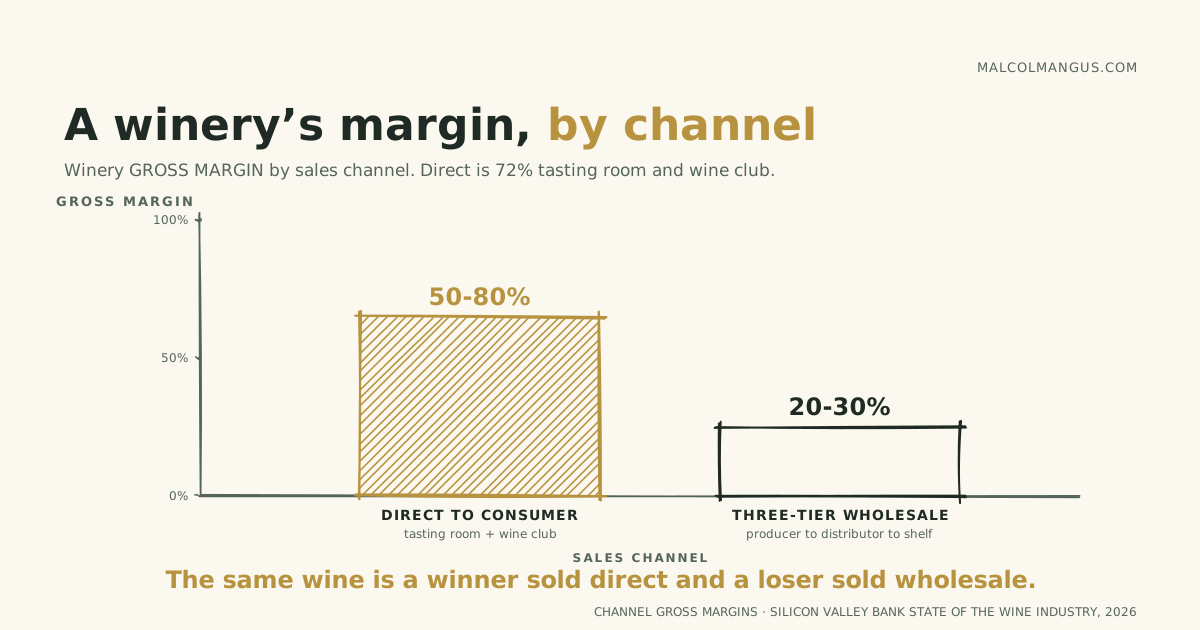
Silicon Valley Bank surveys hundreds of wineries every year, and the finding that matters is not about terroir. It is about the sales channel. Direct to consumer, the tasting room and the wine club, is the margin engine: 50 to 80 percent gross, and about 72 percent of all direct revenue. Wholesale, the three-tier road, is "incredibly low margin, so you need huge volume for it to work." In 2025 the top quartile of wineries grew revenue 22 percent while the bottom declined 13 percent, and the gap tracks almost exactly with who owns a direct line to a drinker. The winery's fate is decided less by what is in the bottle than by which door it leaves through.
Even so, the ground moves. Direct shipping keeps eroding the wholesale road from the other side, which is why the winery that owns a direct line to a drinker is the one holding the better hand. All of it, though, is a fight over a shrinking pool of drinkers.
Put simply: The same wine is a winner sold direct and a loser sold wholesale, so the channel decides the fate more than the product does. Own the line to your customer before you spend another dollar on what is in the bottle.
The way around the toll is narrow
So the maker's one real move is to win a bigger share of a pool that keeps shrinking, and to win it directly, before the toll takes its cut. There is exactly one corner of that pool still growing, and it does not drink the way its parents did.
Younger drinkers buy wine the way they buy everything else, on story and ingredients rather than on appellation. IWSR, the drinks-market research firm, found that about 30 percent of Gen Z and Millennial wine drinkers associate organic wine with high quality, against 12 percent of Boomers, and that Millennials carry the widest "alternative wine" repertoires of any generation. Silicon Valley Bank's 2026 report treats the pull toward clean-label, low-intervention wine as a structural change in taste rather than a passing fashion, visible on shelves, on lists, and in the words drinkers use to pick a bottle. The wine winning the young is natural, low in added sulfur, often unfiltered or a skin-contact orange, and legible in a way a chateau never tries to be.
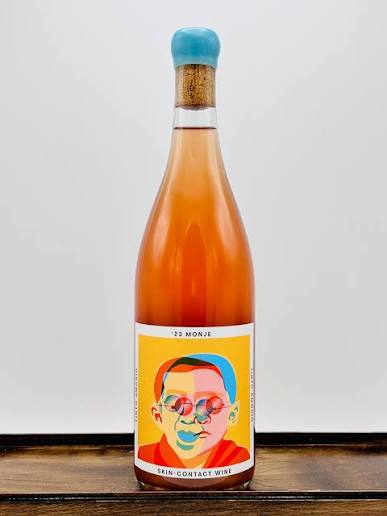
And it reaches them by skipping the toll. Tinto Amorío, a Los Angeles maker, sells its skin-contact orange wine, Monje, straight through its own website, and publishes its allergen labs and sulfite counts where a Napa house would emboss a crest, because its buyer chooses on exactly that. It is running the same play the two-dollar bottle and the hundred-dollar bottle were both reaching for, delete the middle and own the drinker, but with the one lever this whole chain rewards finally in the maker's hands: an identity that adds price without adding cost. The transparency is the product. The orange color is the marketing.
Here is the ceiling, though. This is not wine finally becoming tequila. The brand game wine cannot play is still lost, because there is no natural-wine Patrón and there will not be one: the whole appeal is smallness, place, and the maker's own hand, which is the opposite of a name that scales. And the escape is narrow even on its own road. Direct-to-consumer shipping, the channel these brands ride, fell about 10 percent by volume in 2024 and kept falling in 2025, even as the average bottle shipped direct hit a record $51.20, per the Sovos ShipCompliant report. Volume down, price up is the signature of a market premiumizing as it shrinks. The way around the toll is real, and it is a lifeboat, not a tide. It saves the individual maker who reaches a devoted few. It does not refloat the category.
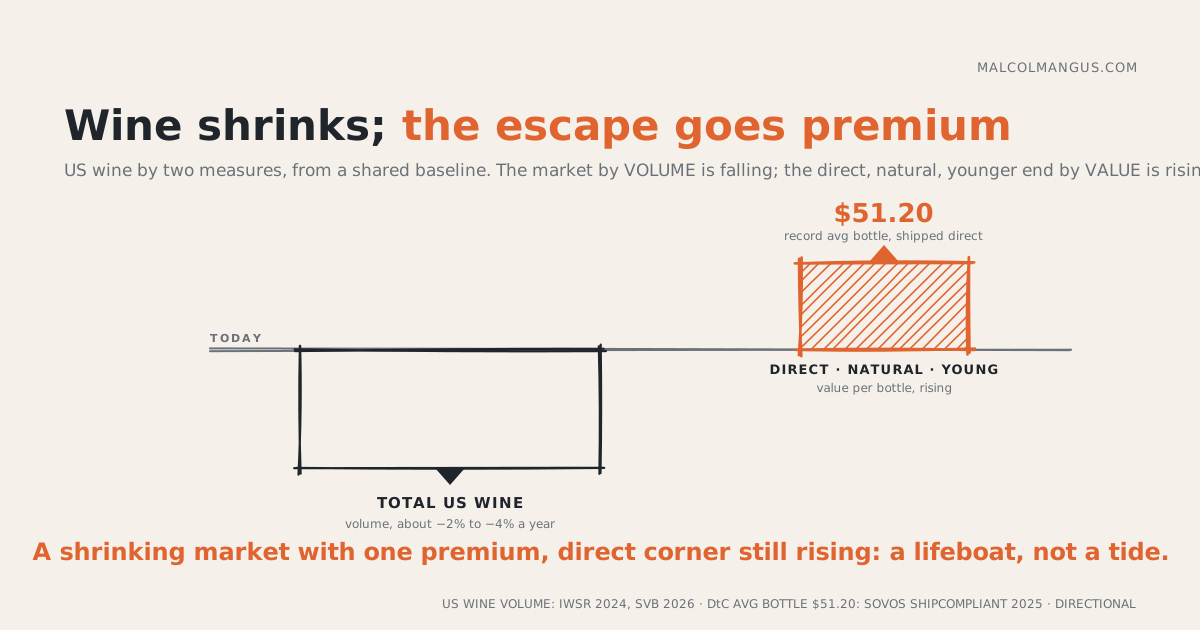
Put simply: The way around the toll is to go direct to the drinkers who buy on identity, and the young are the only growing corner of a shrinking market. But identity is a lifeboat, not a tide: it saves the maker who owns a devoted few, while the category still cannot brand its way out.
One more hand at the border
So far the chain has one maker, one distributor, and one room. That is the domestic bottle. Put a border in the middle and the toll gets longer. A wine from France or Italy does not go straight to a distributor: it first passes through an importer, a U.S. company that buys from the foreign winery, clears customs, warehouses the wine, and sells it into the same three-tier system every domestic bottle runs. The importer marks up its own 25 to 30 percent to cover freight, duty, compliance, and a sales team. So the imported bottle runs through four hands, not three, and every hand takes its cut off the top.
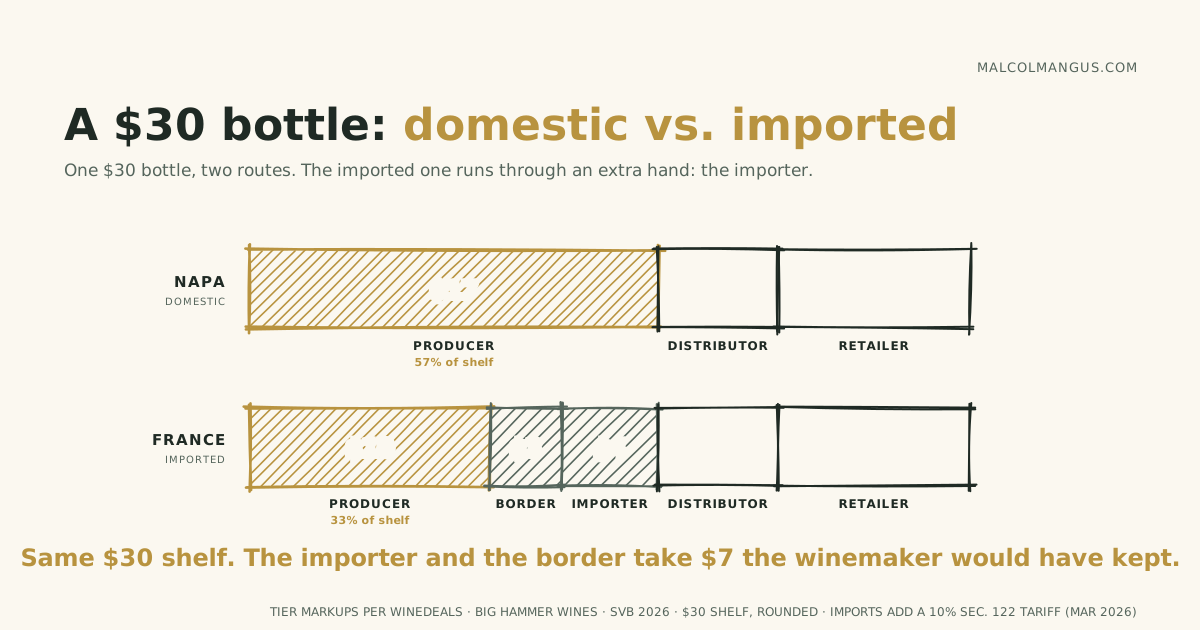
Line the two routes up on the same $30 bottle. A Napa winery sells it ex-cellar for about $17, a little over half the shelf price. A French producer, whose bottle lands on the same shelf at the same $30, keeps about $10, because the importer and the border take roughly $7 a domestic winery would have kept. And that is before the tariff. Since March 2026 a 10 percent Section 122 duty lands on the imported wine's cost before any tier marks it up, and because every markup downstream is a percentage, a dollar of tariff arrives at the register as two or three. The imported bottle is not just a longer supply chain. It is a longer toll road, and the new tolls come straight out of the maker's end.
Put simply: Every hand a product passes through takes its cut off the top, so a longer chain leaves the maker less. Count the tollbooths between you and the buyer; each one is margin you will never see.
The map
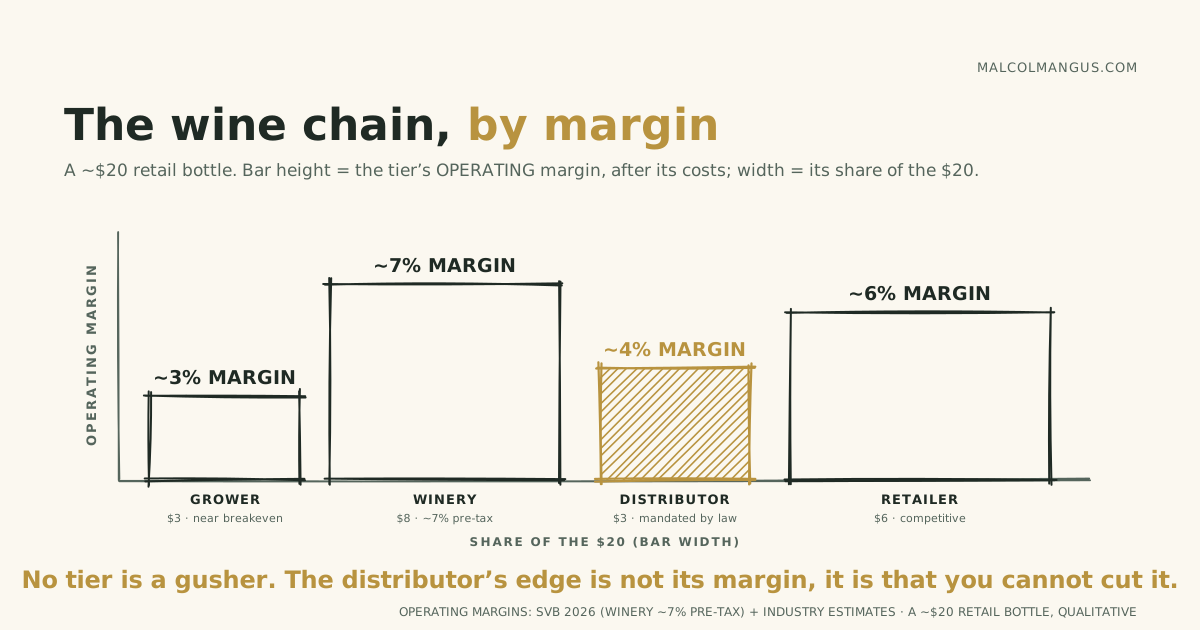
A per-bottle view, though, flatters the small players. Blow the same four tiers up to the size of each tier's actual business, holding the margins fixed, and the picture inverts. The winery that looked large on one bottle is a rounding error next to distribution and retail, which look thin per bottle but move all of it, every year.
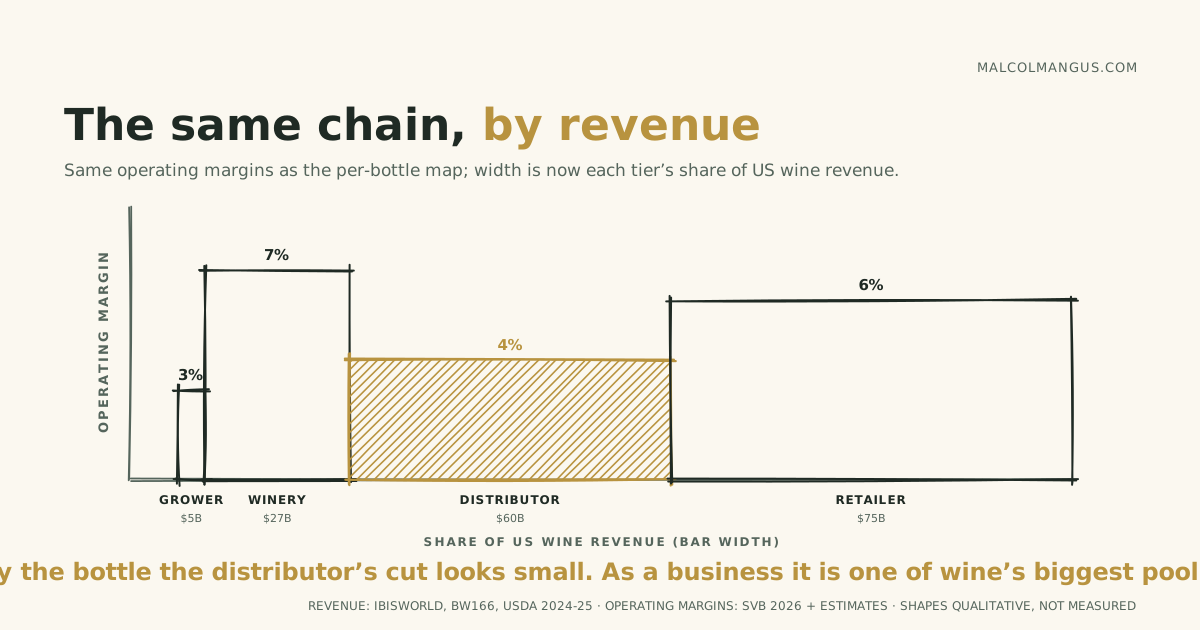
Line the chain up and it rhymes with every other profit pool. The grower loses, the way the dairy farm and the airline seat lose: capital sunk in land, a commodity crop, a return that pencils out for fewer than one grower in ten. The maker keeps a dollar thirty on the bottle that carries its name. The retailer plays volume, thin on the wines you recognize and fatter on the ones you do not. The restaurant earns an honest, visible markup. And the dependable money, the margin that shows up every year regardless of vintage or fashion, sits in the two places no one toasts: a distribution tier the government requires you to pay, and the brand or the score that adds price without adding cost.
The next time a list quotes you $100, you can do the receipt in your head. Nineteen dollars made the wine. A dollar thirty of that was profit. The rest is the toll and the theater, and the theater, at least, you can see.
Put simply: In any chain the dependable money hides where the romance isn't: a tier you are forced to pay and a brand that adds price without adding cost. Map who keeps the dollar before you decide which link to become.

Malcolm Angus
I'm an analytics engineer, data product manager, and forward-deployed engineer. I write about data products, moats, flywheels, and business strategy, the loops that make companies harder to catch.

The charts in this essay are free to reuse with credit.